
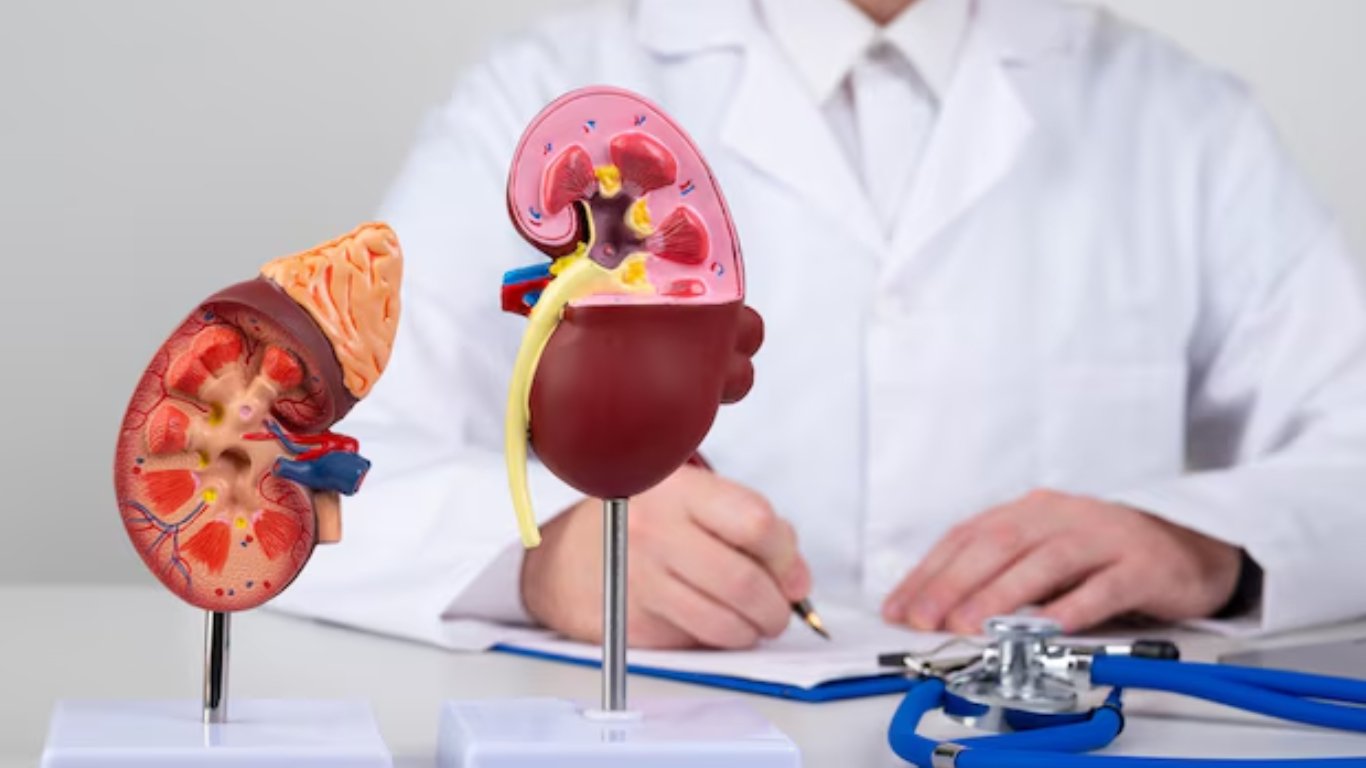
Urology is the branch of medicine that focuses on the diagnosis and treatment of diseases related to the urinary tract and male reproductive system. It addresses conditions like kidney stones, urinary infections, and prostate issues.
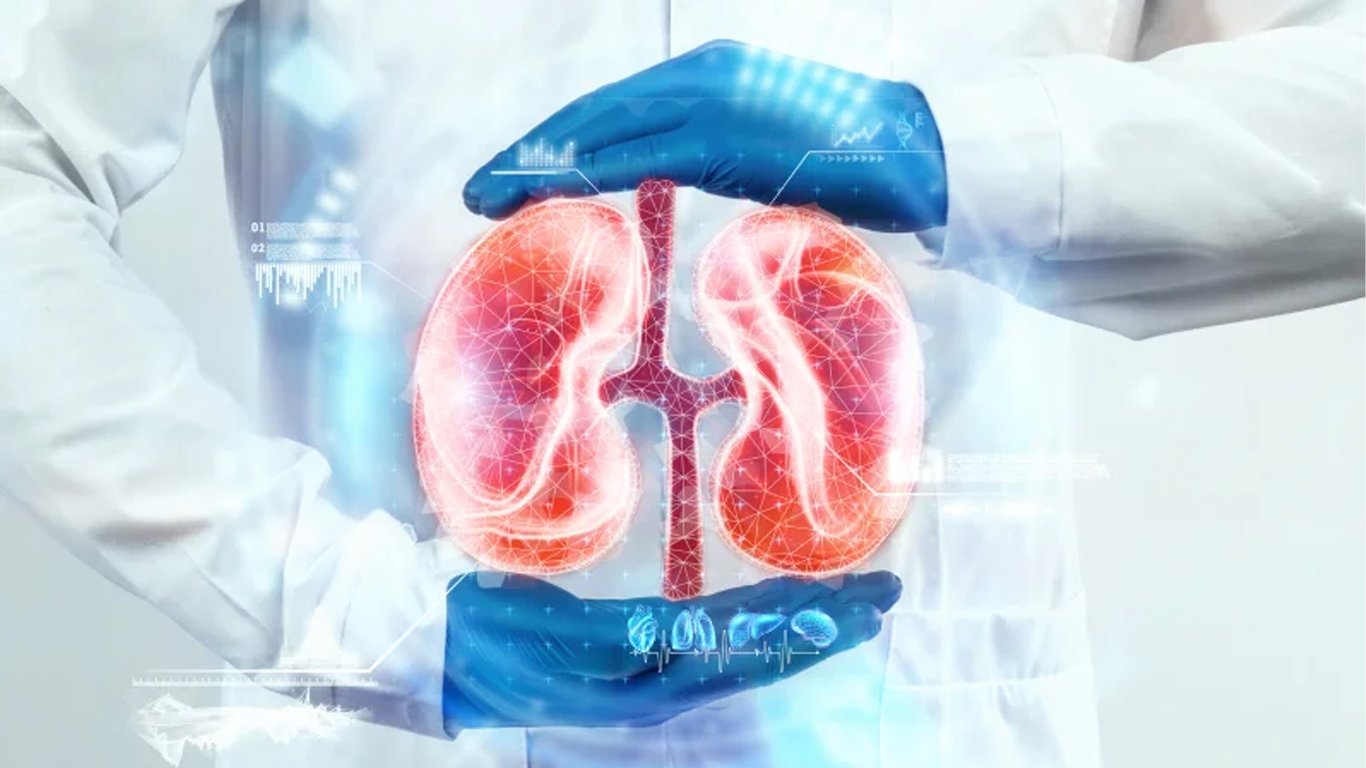
Nephrology is the specialized medical specialty focused on diagnosing and effectively treating various kidney-related conditions. It deals with complex diseases like chronic kidney failure, hypertension, and electrolyte imbalances.
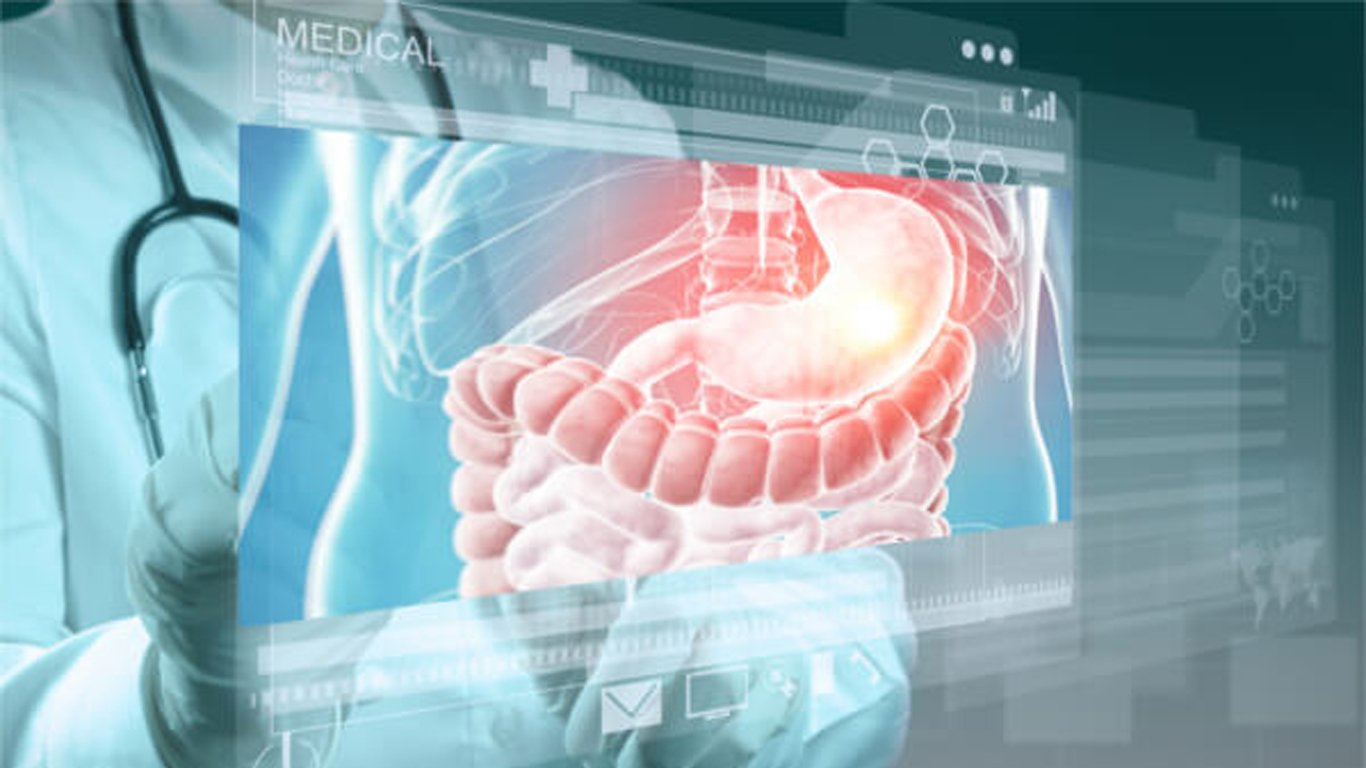
Gastroenterology is the important branch of medicine that focuses on the complex digestive system, including the stomach, intestines, liver, gallbladder, and pancreas. It treats various conditions like acid reflux, stomach ulcers, and chronic liver diseases.
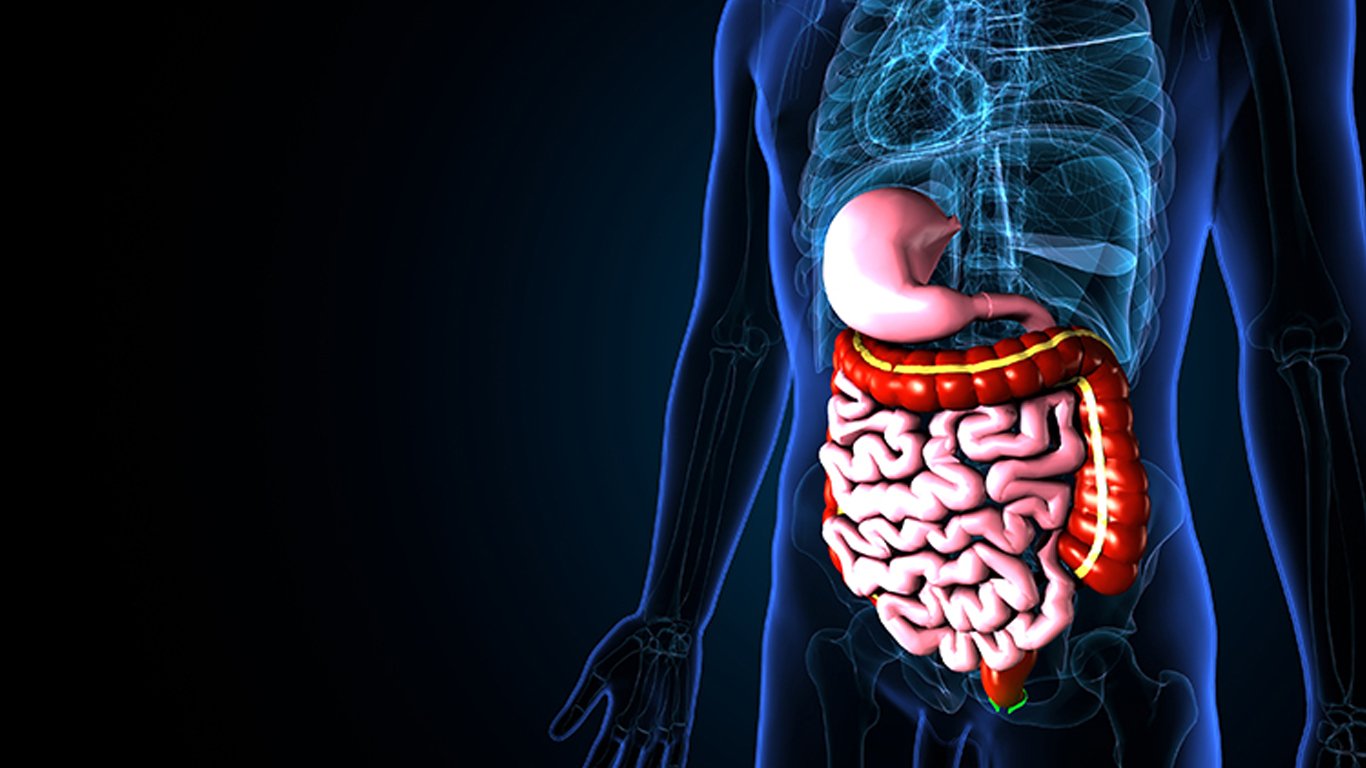
Surgical gastroenterology focuses on diagnosing and treating digestive system diseases, including cancers, hernias, liver, and pancreas issues, using techniques like minimally invasive and bariatric surgeries for better patient outcomes.

Medical Oncology is the branch of medicine that focuses on diagnosing and treating cancer using chemotherapy, immunotherapy, and targeted therapies. It aims to manage and control cancer growth, improve quality of life, and provide comprehensive care.
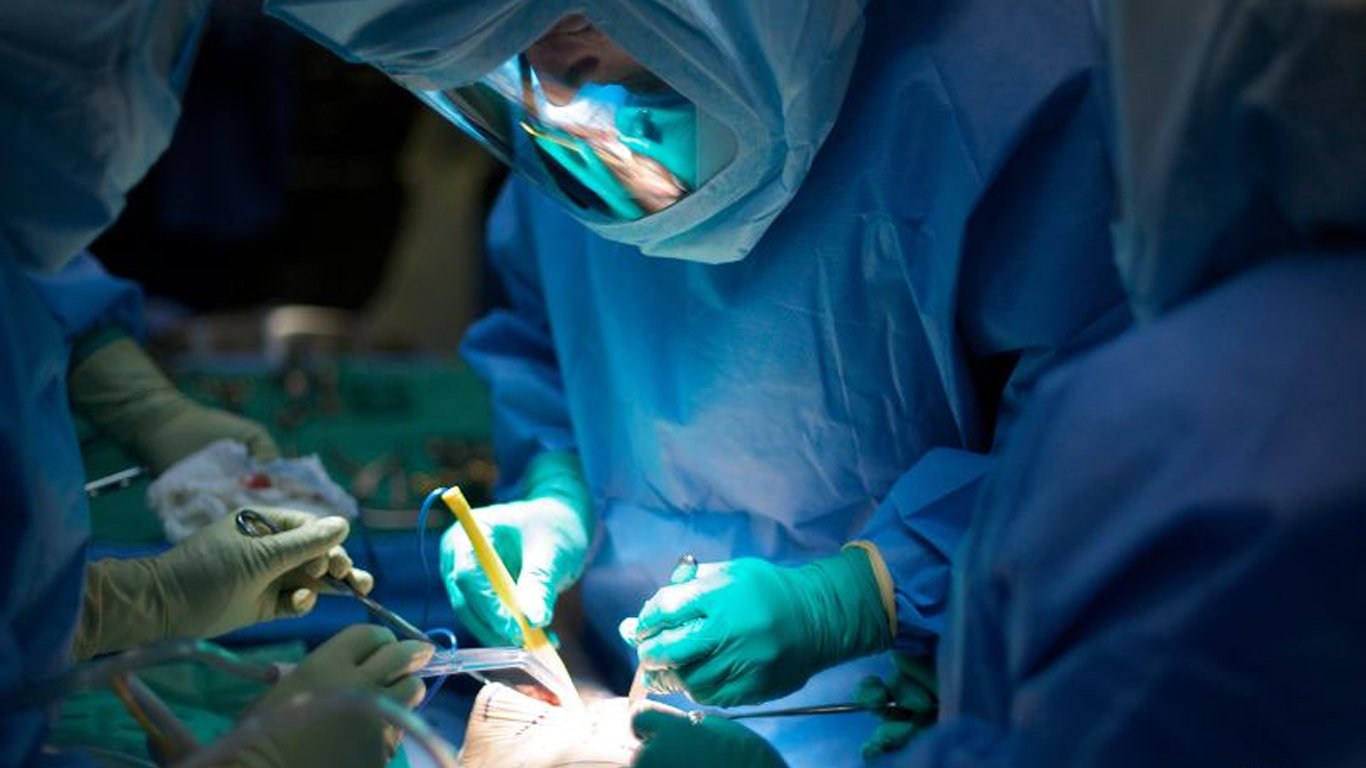
Surgical oncology specializes in the surgical removal of tumors and cancerous tissues, collaborating with medical and radiation oncologists to provide comprehensive cancer treatment.

Neuro medicine focuses on diagnosing and treating nervous system disorders, including epilepsy, stroke, and Parkinson's. Neurologists use tools like MRIs and EEGs, providing neurorehabilitation and collaborating with other specialists for comprehensive care.
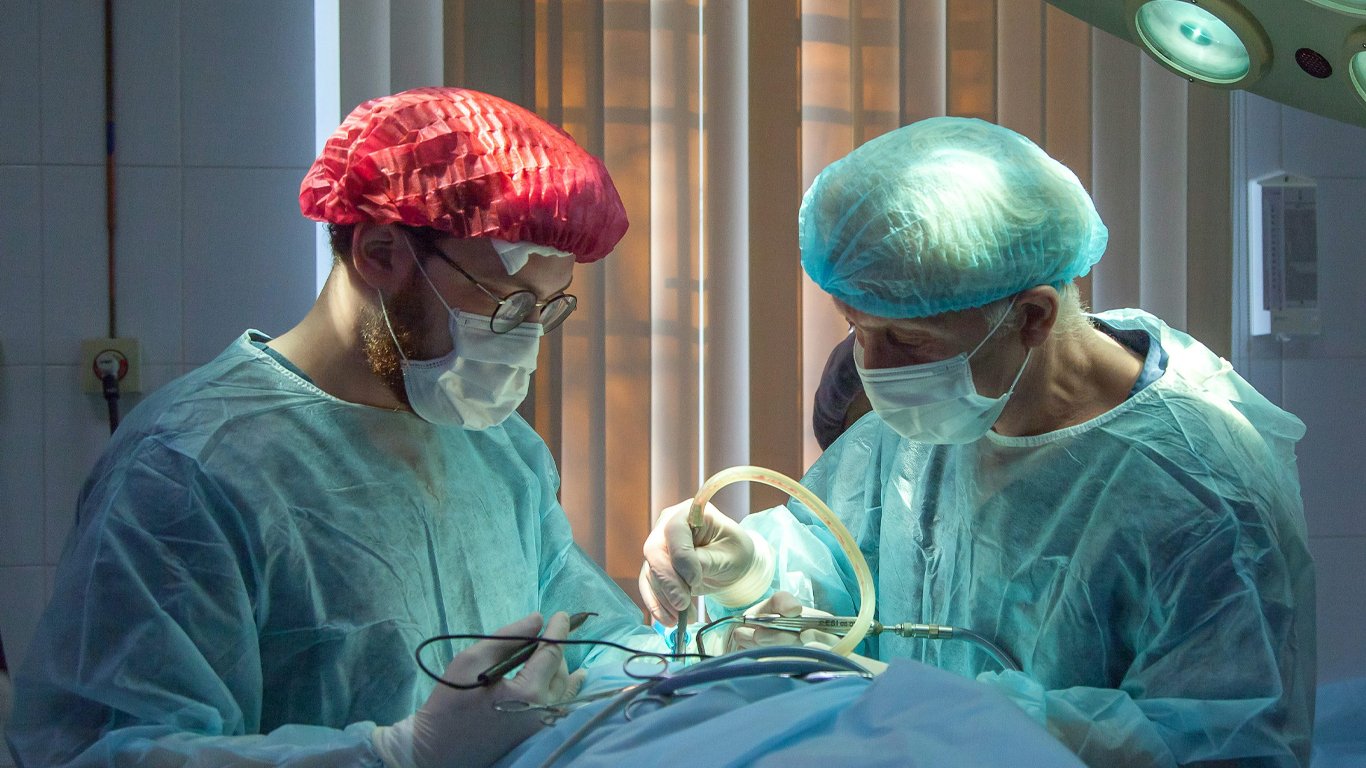
Neurosurgery involves the surgical treatment of disorders affecting the brain, spine, and nervous system. It includes procedures for brain tumors, spinal cord injuries, aneurysms, and more, often using minimally invasive techniques for precision.
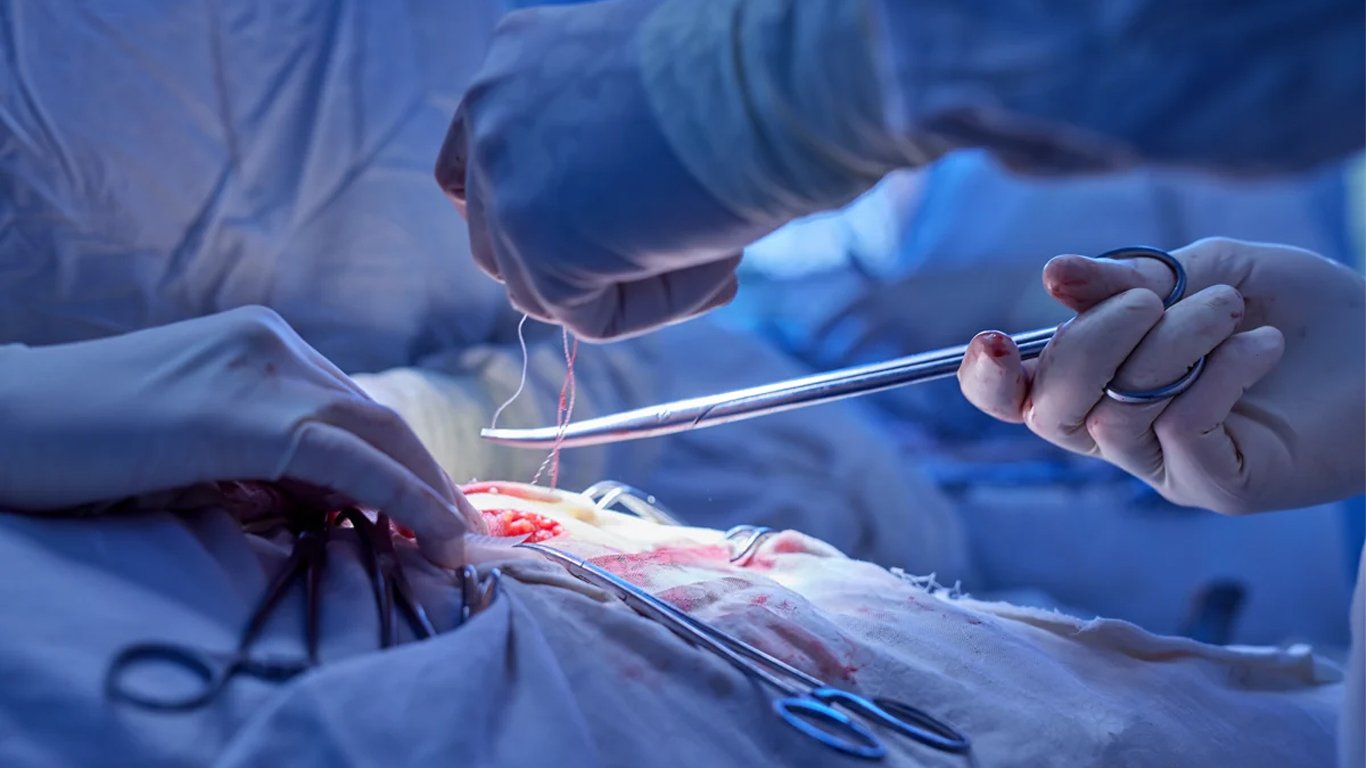
Vascular surgery focuses on treating diseases of the vascular system, including arteries, veins, and lymphatic circulation. Procedures address issues like aneurysms, varicose veins, and blocked arteries, often using minimally invasive techniques.
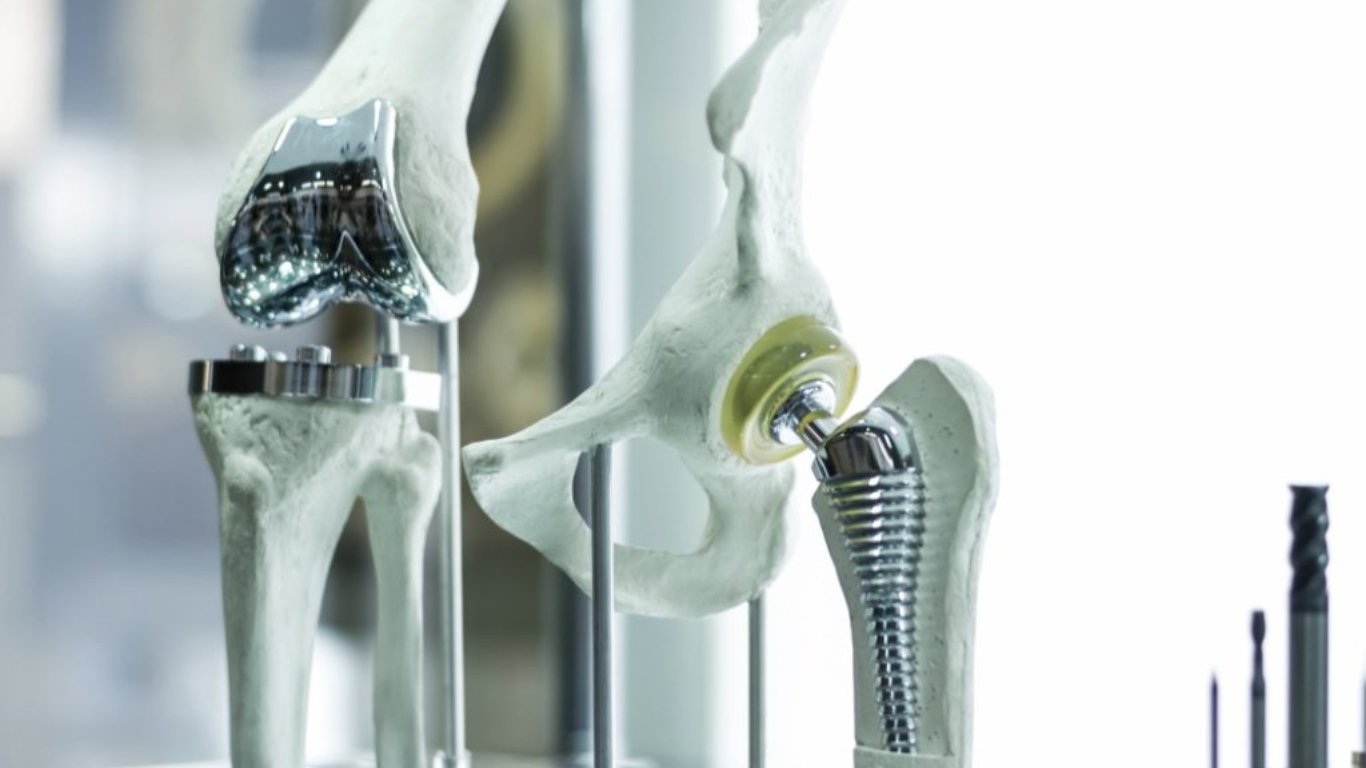
Knee and hip replacement are surgical procedures under arthroplasty where damaged or worn-out joints are replaced with artificial implants. A knee replacement helps relieve pain and restore mobility in cases of severe arthritis or injury, while a hip replacement is done to improve movement and reduce discomfort in patients with damaged hip joints.
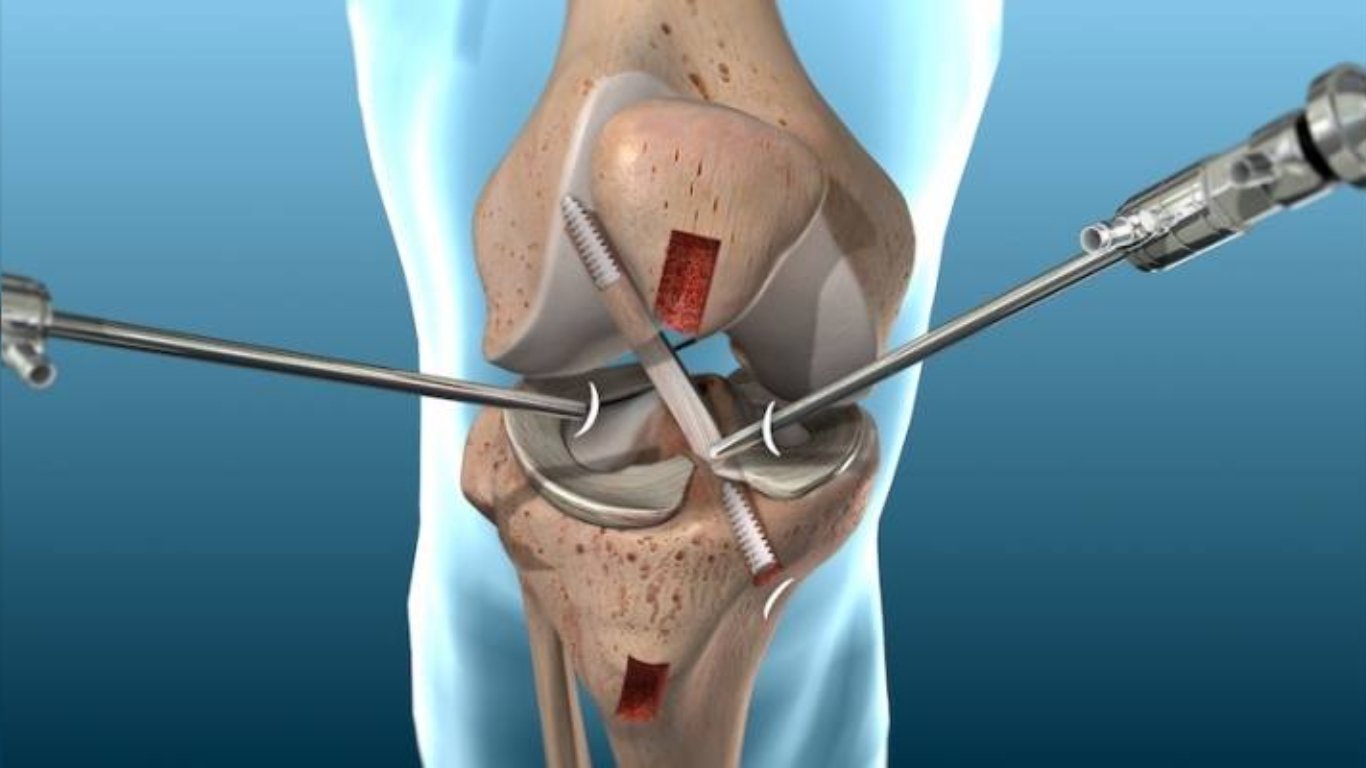
Orthoscopy is a minimally invasive procedure where a tiny camera is used to diagnose and treat joint problems through small incisions, allowing quicker recovery and less pain. Orthoplasty refers to joint replacement or reconstruction surgery, where a damaged joint—often the knee or hip—is replaced with an artificial implant to restore movement and relieve pain.
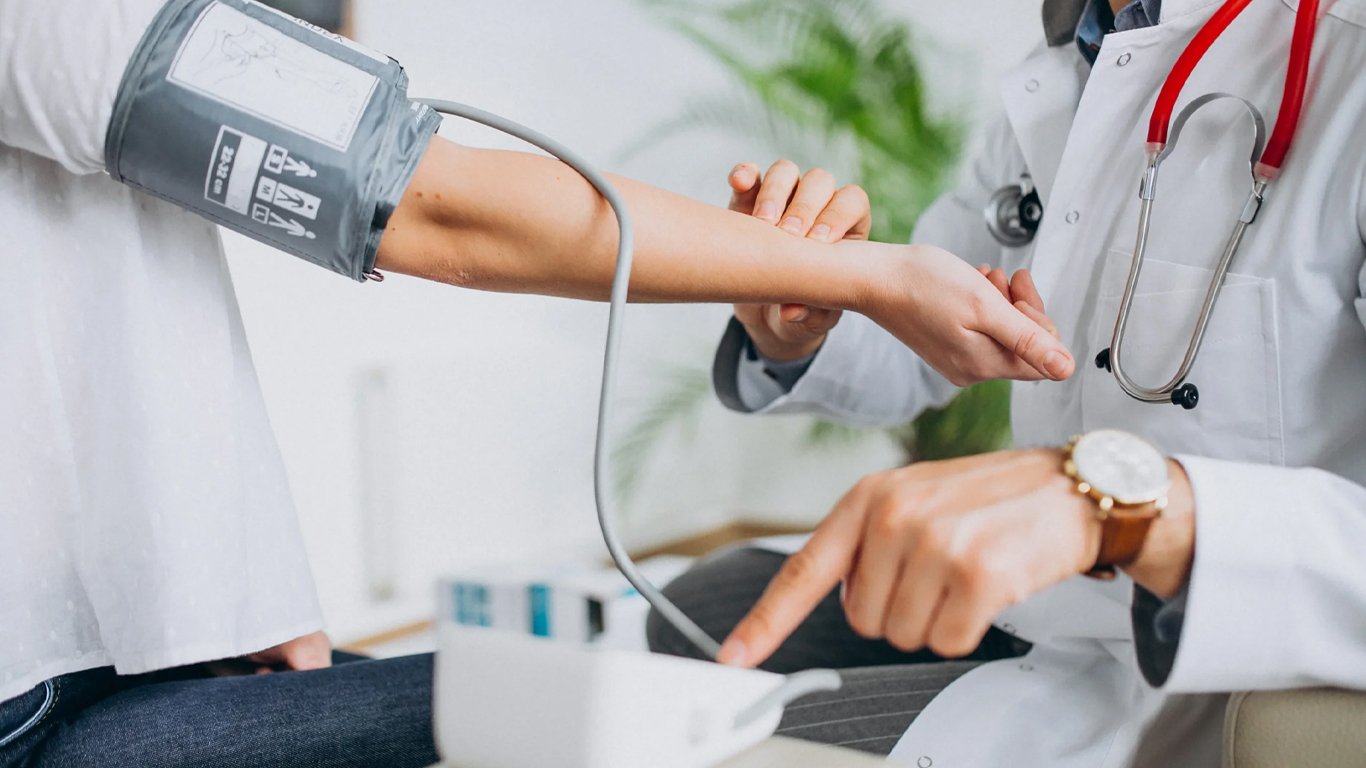
General Medicine is the branch of medicine that focuses on diagnosing and treating a wide range of common illnesses and chronic conditions. It provides comprehensive care for adult patients, addressing both acute and long-term health issues.
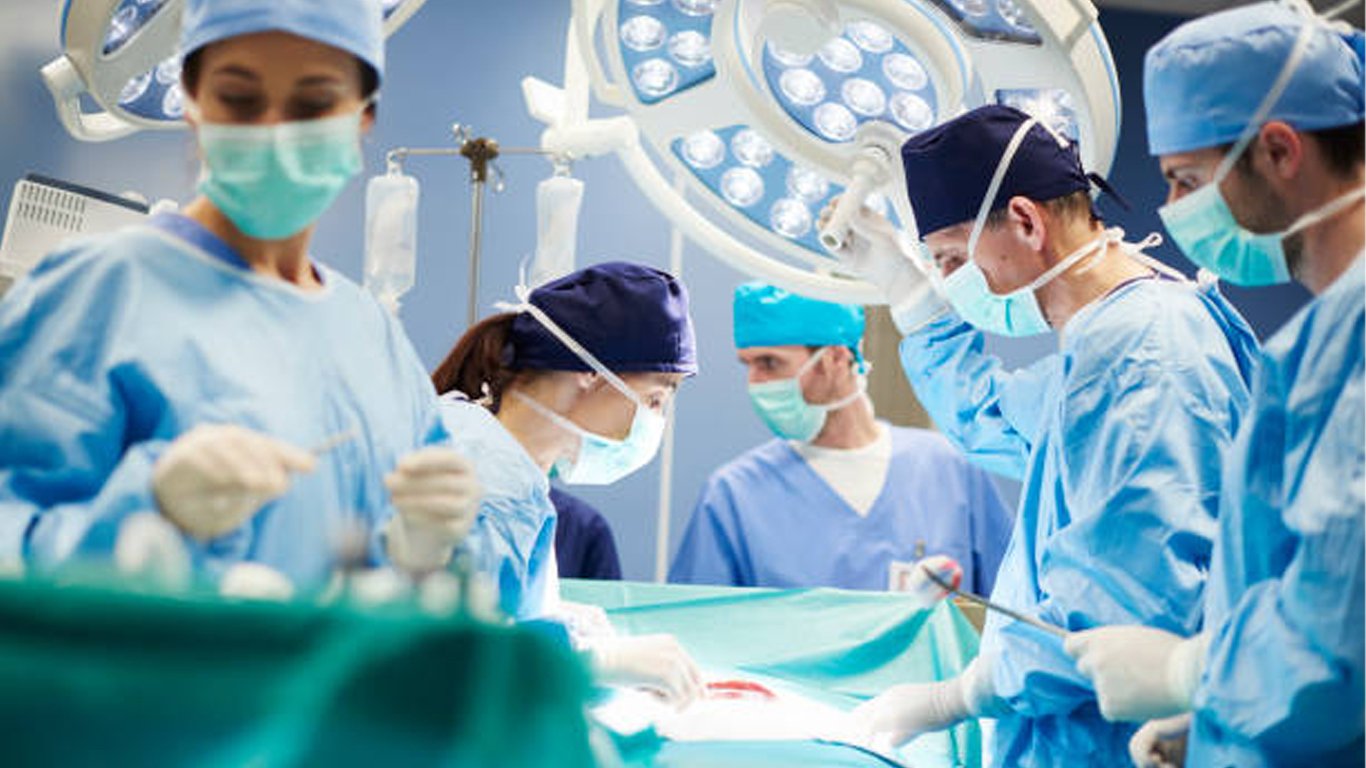
General Surgery involves a wide range of surgical procedures to treat various conditions affecting different parts of the body, including the abdomen, digestive system, and soft tissues.

Orthopedics is the branch of medicine that focuses on diagnosing and treating disorders of the musculoskeletal system, including bones, joints, muscles, and ligaments. It addresses issues like fractures, arthritis, and sports injuries.
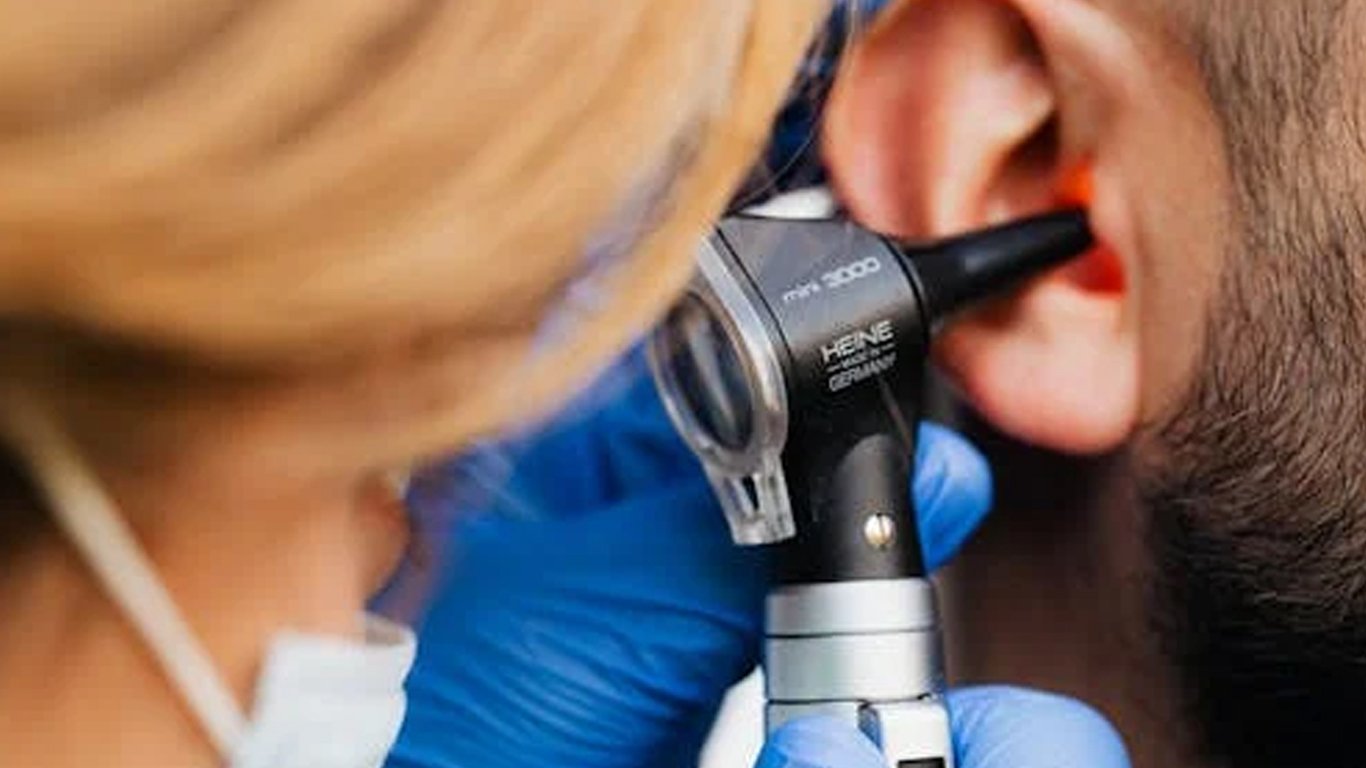
ENT (Ear, Nose, and Throat), or otolaryngology, is a medical specialty focused on diagnosing and treating disorders related to the ear, nose, throat, head, and neck. ENT specialists address conditions like hearing loss, sinusitis, tonsillitis, voice disorders, and sleep apnea.
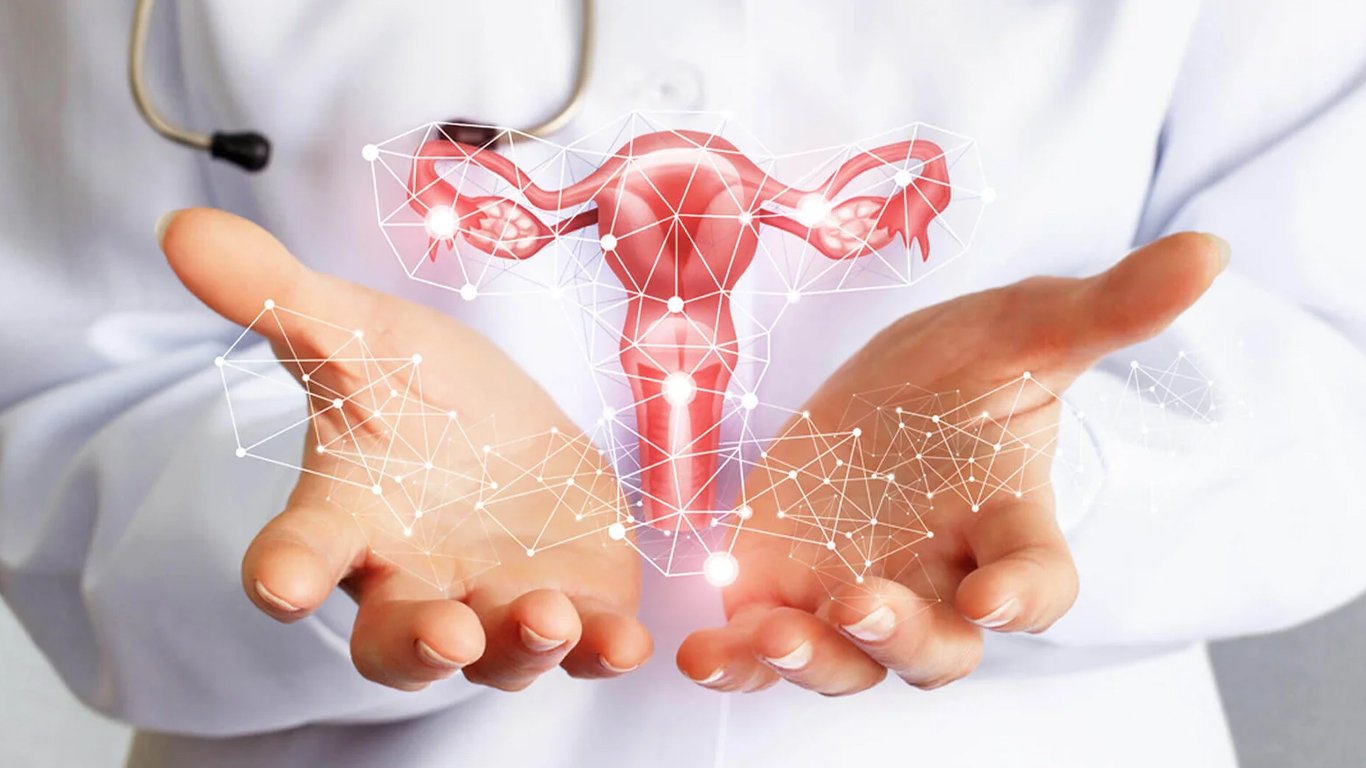
Obstetrics and gynecology (OB-GYN) is a medical specialty focusing on women's reproductive health, pregnancy, and childbirth. An obstetrician manages pregnancy, childbirth, and postpartum care, while a gynecologist treats disorders of the female reproductive system.
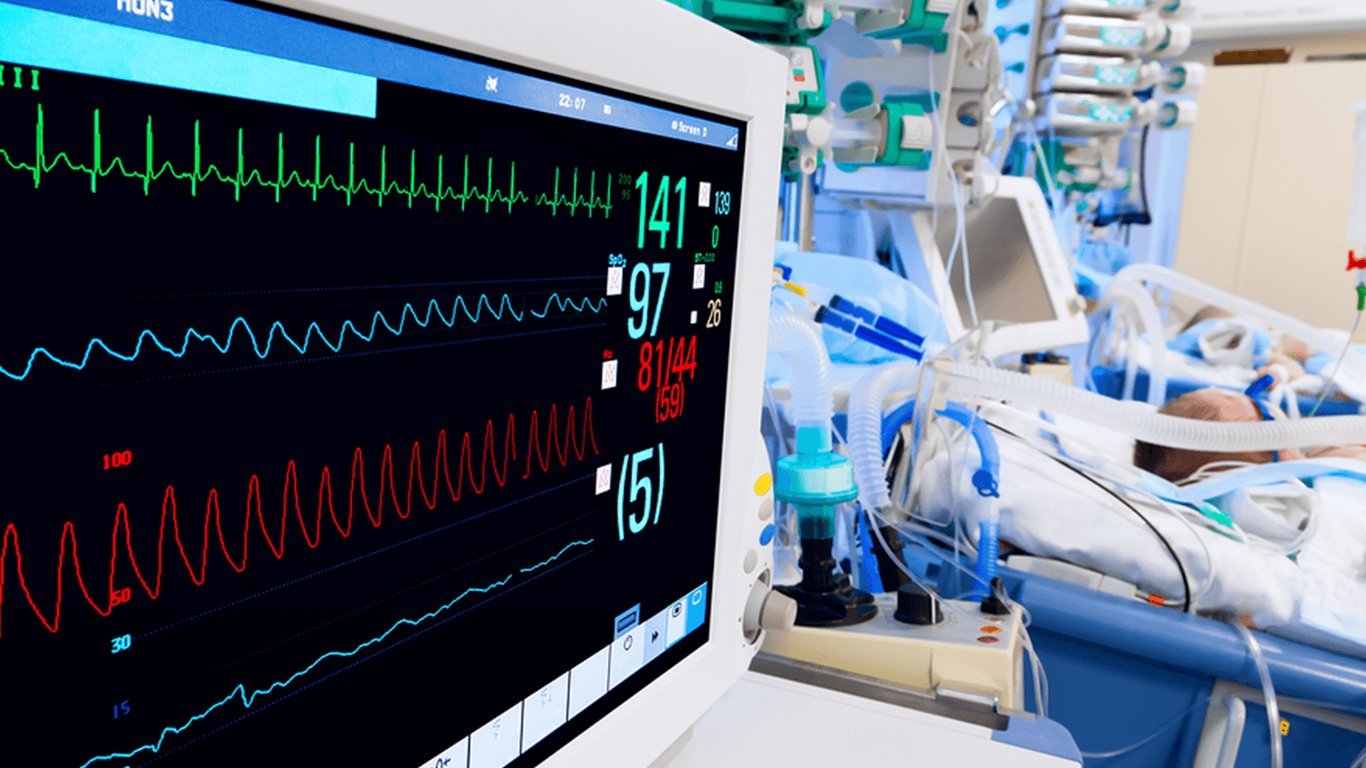
Critical Care is the branch of medicine that provides specialized care for patients with life-threatening conditions. It involves close monitoring and advanced treatments to support vital functions in intensive care units (ICUs).
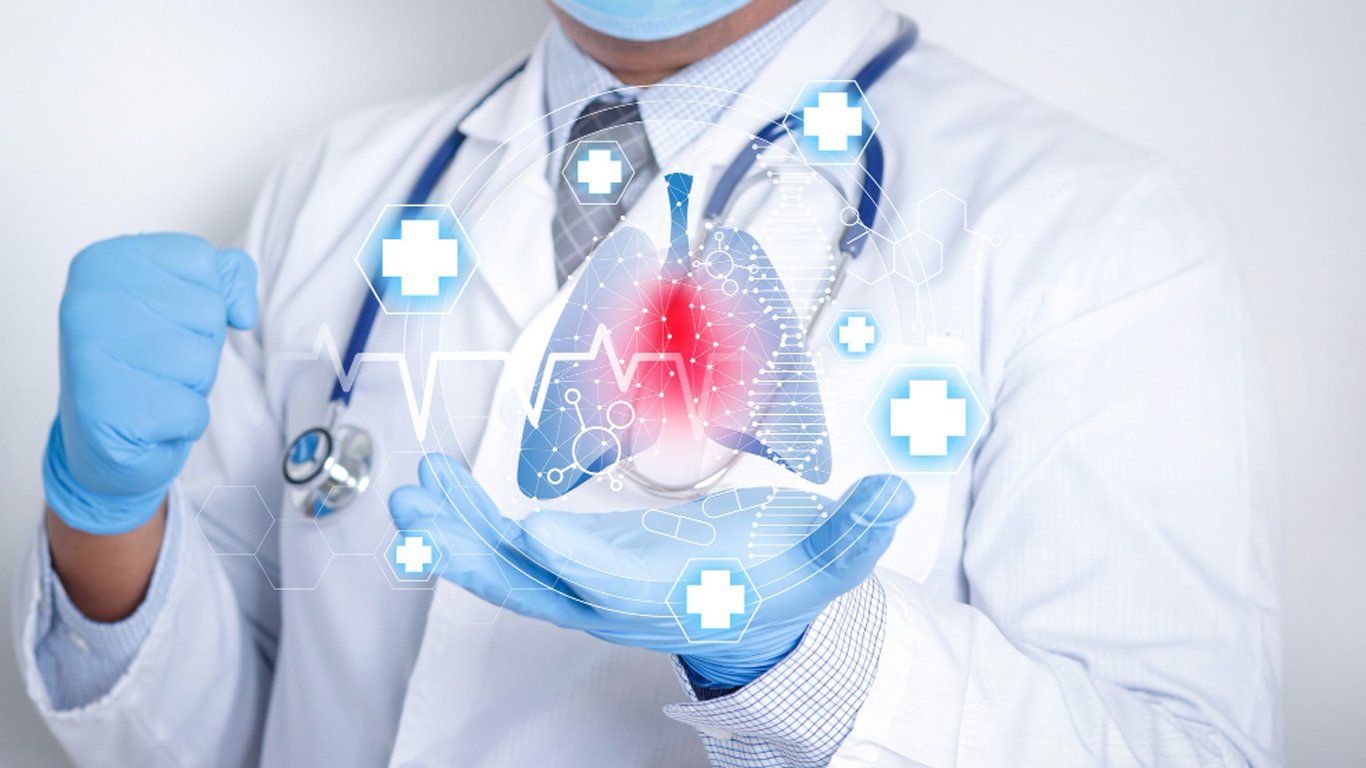
Respiratory medicine, or pulmonology, is a medical specialty focused on diagnosing and treating diseases and conditions affecting the respiratory system, including the lungs and airways. Pulmonologists manage a wide range of disorders, such as asthma, chronic obstructive pulmonary disease (COPD), pneumonia, lung cancer, and sleep apnea.
Stories of Care: Hear from Our Patients


"This hospital is highly regarded for its cleanliness, responsive doctors, and 24-hour medical care for seniors. It seems to cater to those who prefer not to undergo surgery at larger hospitals like KLE. Unlike some places that keep patients for extended periods, they discharge you when you're recovering. The hospital offers a variety of room options, including private, semi-private, and deluxe rooms, as well as general wards. It appears to be the second Apoorva hospital, with the original one situated across the street."
"Apoorva Multispeciality Hospital in Belagavi excels in knee replacement surgeries, offering advanced technology, skilled surgeons, and personalized care, ensuring high success rates, faster recovery, and improved patient mobility and quality of life."
"Apoorva multi-speciality hospital belgaum is known for a high success rate in spine surgeries,offering advanced treatment and experienced surgeons. And our patient has very quickly cured"
"Apoorva multi-speciality hospital in belagavi offers exceptional care with knowledgeable doctors, compassionate staff,and modern facilities.The hospitals commitment to patient well being and cleanliness ensures a positive and reassuring experience."
"In apoorva Multispeciality hospital belagavi we had a stone operation so diagnosed in this hospital with well experienced doctors I recommend this hospital to take treatment in this hospital"
"Apoorva hospital is good for all treatment I have cured spine surgery easily in the my operation in this hospital."
"We are admitted in hospital at apoorva here cured neurosurgery and orthopedic I refer this hospital good."
"I am very thankful to this hospital and Dr. Shivanand Haligoudar And Dr. Shrishail Hangandi for curing my father's health problem with his skillful treatment. I really appreciate all the doctors and nursing staff for their commitment, Great Hospitality with good care and most safe hospital in Belgaum and this is My personal experience where I have done my father Operation here… Thank you Team Apoorva."
"Good Hospital & very much helping staff in this hospital. My stay in this hospital for 4 days are pleasant & appreciated to the Team Approva Hospital."